


- 33 Views
- 6 Min Read
- (0) Comment
Nangma Valley Trek – The “Yosemite of Pakistan”
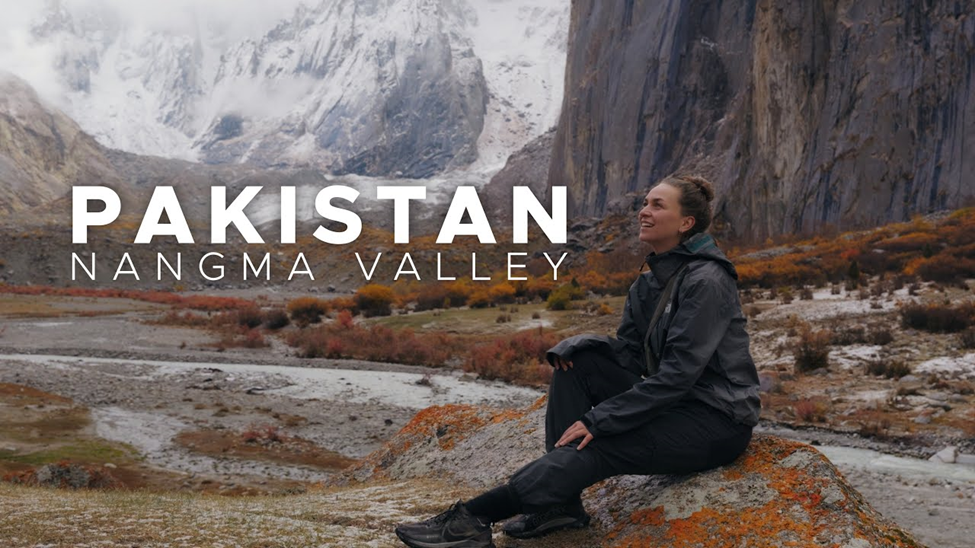
Nangma Valley Trek: A Journey into the Yosemite of Pakistan
Some mountain journeys are remembered for their difficulty. Others stay with you because of the places you discover along the way. Nangma Valley is one of those places.
When people think about trekking in Pakistan, they often think of K2, long glacier walks, and high mountain passes. But there is another side to the Karakoram that deserves just as much attention. It is quieter, greener in summer, and filled with landscapes that make you want to stop walking for a while and simply look around.
Nangma Valley, near Kande village in the Hushe Valley of Baltistan, is one of these places.
The first thing that makes Nangma special is its granite towers. Huge rock walls rise above the valley, surrounded by green meadows, mountain streams, and snow-covered peaks. The landscape feels different from the broad glaciers and rocky trails found on many other treks in the region. Here, the mountains seem to stand close together, creating a dramatic natural setting.
Some travellers call it the “Yosemite of Pakistan.” After learning about its towering granite formations and beautiful valley scenery, it is easy to understand why the comparison is made.
The Road to Kande
The journey to Nangma Valley begins long before the actual trekking starts.
From Skardu, the road follows the mountain valleys towards Khaplu and continues into the Hushe region. The landscape changes along the way. Villages, fields, rivers, and rugged mountain slopes become part of the journey.
Kande is a small Balti village and the starting point for the Nangma Valley trek. Life here follows the rhythm of the mountains and the seasons. The village provides a glimpse of the local culture before the trail leads into a more remote landscape.
For visitors coming from busy cities, even the journey to Kande can feel like a change of pace. Mobile signals may be limited in remote areas, facilities become simpler, and the mountains begin to take up more of the view.
This is where the trekking experience really begins.
Walking Towards the Granite Mountains
Leaving Kande, the trail leads towards Nangma Valley through mountain terrain, pastures, and streams. The walk requires some effort, but the changing scenery gives you plenty of reasons to take your time.
As the valley opens up, the granite towers become the main attraction. Their steep walls and unusual shapes rise above the green ground, creating a striking contrast between rock, grass, and sky.
It is the kind of place where photography can easily take longer than expected. The mountains look different as the light changes, and even a short walk around the campsite can offer a new view.
But Nangma is not only for photographers. It is also a wonderful destination for people who enjoy walking without rushing, sleeping in a tent, and spending a few days away from roads and busy tourist spots.
You do not need to be a mountaineer to appreciate the scenery. The main trek does not require technical climbing skills, although the trail, altitude, weather, and remote conditions still deserve proper preparation.
A Night in the Mountains
There is something special about staying overnight in a mountain valley.
After a day of walking, the campsite becomes a place to rest, have a meal, and enjoy the surroundings. The sound of running water and the sight of towering rock walls make the experience different from staying in a hotel or guesthouse.
When the weather is clear, the changing evening light can bring out different colours in the granite. As temperatures fall, the mountains begin to feel even more impressive against the sky.
Nangma Valley is a good reminder that trekking is not always about reaching the highest possible point. Sometimes the best part of a journey is having enough time to sit outside the tent, look at the mountains, and enjoy being somewhere far from everyday life.
Trekkers should remember that nights can be cold, even in summer. A suitable sleeping bag, warm clothing, and proper camping arrangements are important.
More Than a Trekking Destination
Nangma Valley is known among climbers for its granite walls and challenging rock routes. For trekkers, however, the attraction is much broader.
The valley offers a chance to experience the natural beauty of the Karakoram without committing to a long expedition such as the trek to K2 Base Camp. It can suit travellers who have only a few days available but still want to experience a remote mountain environment.
It also provides an opportunity to learn about Baltistan beyond its famous peaks. Kande and the surrounding Hushe region are part of a landscape shaped by local communities, traditional lifestyles, and generations of living in the mountains.
Travelling with a knowledgeable local guide can add valuable context to the journey, from understanding the route and local customs to arranging camps and responding to changing conditions.
Can You Trek to Nangma Valley Alone?
Nangma Valley is attractive to independent travellers because the trek can be completed in a relatively short time. However, being a shorter route does not mean it should be treated casually.
The trail passes through a remote mountain area where weather, stream crossings, navigation, and access to assistance can become important. Solo trekkers should check current conditions, understand the route, and arrange appropriate local support before setting out.
For first-time visitors to Baltistan, a guided trek can make planning easier and provide additional support along the way. Experienced independent trekkers may prefer more flexibility, but they should still prepare carefully.
The right choice depends on your experience, fitness, equipment, and comfort with remote trekking.
When Should You Visit Nangma Valley?
The main trekking season generally runs from June to September, depending on snow, weather, and trail conditions.
Summer brings green meadows and opportunities to enjoy the valley’s dramatic scenery. Early in the season, snow may remain in some areas, while September can bring colder nights and changing weather.
Conditions are never guaranteed in the mountains, so check locally before travelling and carry suitable clothing and equipment.
A two- or three-day trek may be enough for a short visit, while additional days allow more time for photography, relaxation, and exploration. The best itinerary depends on your walking pace and the conditions on the ground.
A Different Side of Baltistan
Nangma Valley may not have the same international recognition as K2, but that is part of its appeal. It offers a different experience of the Karakoram: impressive granite walls, green summer landscapes, quiet campsites, and the feeling of being surrounded by mountains.
For travellers exploring Baltistan, it is worth looking beyond the famous destinations and giving places like Nangma Valley the time they deserve.
At Machulo Treks & Tours Pakistan, we believe that the best mountain journeys are not only about reaching a destination. They are also about discovering local places, meeting the people who live there, and understanding the landscapes that make this region so special.
If you are planning a trek in Nangma Valley, come prepared, respect the local environment, and leave enough time to enjoy the journey.
Sometimes, the places that stay with us longest are not the ones we rush to reach, but the ones that make us want to stay a little longer.
🥾 Route Breakdown:
Day 1: Kande Village → Base Camp (Nangma Meadows)
- Easy uphill hike
- River crossings and pasture trails
- 3–5 hours trekking
Day 2: Exploration Day in Nangma Valley
- Hiking around rock towers
- Photography & camping experience
- Optional short summit hikes
Day 3–4 (Optional): Amin Brakk BC & Return
- Explore Amin Brakk Basecamp
- Return to Kande Village
The trek is flexible and can be extended for climbing or photography expeditions.

Leave a comment: